

Public schools are places where kids go to learn for free. The government pays for them using money from taxes that people pay. These schools open their doors to every child in the area, no matter if your family is rich or not. Teachers work hard to teach reading, math, science, and more to big groups of students. Classes often have 20 to 30 kids, and everyone follows the same rules set by the state. Because they serve so many students, public schools focus on basic learning that helps kids pass tests and move to the next grade. Parents don't pay tuition fees, which makes it easy for families to send their children without worry about big bills. Schools get books, desks, and playgrounds from the government budget, though sometimes they need extra help from the community. Kids make friends from all kinds of homes, and this mix teaches them about different lives early on. In the end, public schools aim to give every child a fair chance at a good education, and they do this day after day across towns and cities.
Public schools run on a set schedule from early morning until afternoon, with breaks for lunch and play. Sports teams and clubs exist, but they depend on what the school budget allows. If money runs low, some fun activities might not happen. Teachers must follow strict plans from the government, so lessons stay the same for all classes. This helps kids know what to expect each day. Parents can join PTA meetings to share ideas, and schools often hold events like fairs to bring families together. Because classes fill up fast, waiting lists sometimes happen for popular grades. Still, these schools build strong skills in teamwork since kids learn side by side with neighbors. Over time, many public school kids go on to college or jobs, proving that free education works well when everyone pitches in. The goal stays simple: teach facts and help kids grow smart in a busy world.
What Are Private Schools?
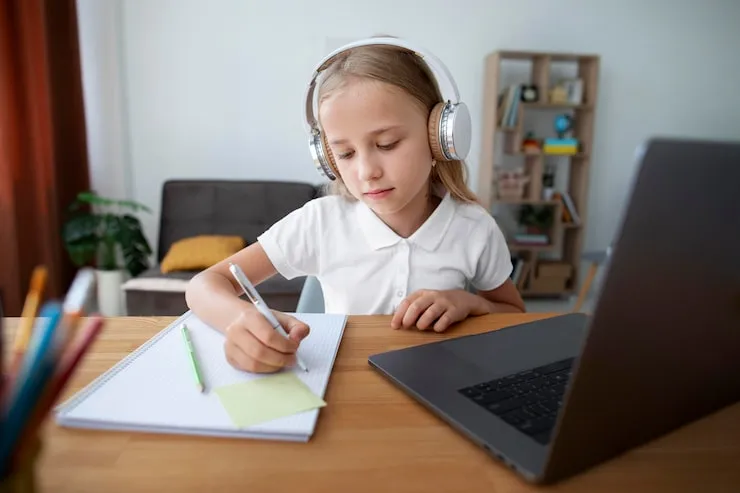
Private schools charge money for kids to attend. Parents or donors pay the fees, and this lets schools choose what to teach and how. They pick students through tests or talks, so not every child gets in. Class sizes stay small, often with just 10 to 15 kids, which means teachers give more time to each one. Lessons go deeper into art, music, languages, or special projects because there's extra cash for fun tools. Uniforms keep everyone looking neat, and rules come from the school leaders, not the government. Many private schools focus on values like kindness or hard work, and some even tie in faith or special ways of learning. Sports fields shine bright, with teams that travel to games, and clubs run every week. Because fees cover costs, buildings look new and tech stays top-notch. Kids here often get help to dream big, with trips or guest speakers that spark ideas.
Private schools offer long days with homework help or after-school fun. Parents sign big checks each year, but scholarships help some families join. Teachers pick their own plans, so classes feel fresh and exciting. This setup builds close bonds between kids and grown-ups, making school feel like a family. Extracurriculars shine, from chess clubs to drama shows, giving kids chances to shine in what they love. Rules stay firm, teaching respect and focus from day one. In quiet classes, shy kids speak up more, and smart ones push ahead fast. Private schools track progress closely, so parents hear updates often. This care helps students stand out later in life. Overall, these schools create a cozy spot for learning that fits each child's needs.
Read Also: GK Practice Questions with Explanations for Exams – 2025 Preparation Guide
Cost: Who Pays the Bills?
Public schools cost nothing for families to join. Tax money from homes and businesses keeps lights on and teachers paid. This means any kid can walk in without emptying their piggy bank. No hidden fees pop up for basics like books or chairs, though lunch or trips might ask for a few coins. Because everyone shares the cost, public schools spread help wide and fair. Families save big, putting money toward food or fun instead. On the flip side, budgets sometimes shrink, so old books or small playgrounds happen now and then.
Private schools ask for tuition fees that add up fast. One year might cost as much as a car, paid monthly or all at once. Extra cash goes to uniforms, books, and trips abroad. Rich families pick them easy, but aid or loans help others. Donors or events bring in more money for shiny labs or pools. Parents weigh if the spend brings big wins, like better college shots. Fees buy small groups and fancy tools, but not every home can swing it. In short, public stays free and open, while private trades cash for extras that sparkle.
Public options save stress on wallets, letting kids focus on play and pals. Private paths shine for those who pay, offering bells and whistles. Choice depends on what your family can handle and what dreams you chase.
Class Size and Teacher Time
In public schools, one teacher handles a big room full of kids. Twenty-five faces look up at once, so time splits thin. Lessons move quick to cover all the must-know stuff before tests. Help comes during breaks or after school if you ask nice. Because groups stay large, kids learn to share attention and wait their turn. This builds patience, like lining up for swings at recess. Teachers shine with energy for the crowd, making group games fun.
Private schools keep classes tiny, like a small family dinner. Ten kids mean more eyes on you and hands to guide. Teachers spot when you get stuck on math and fix it right then. Questions get answers fast, and projects turn personal. Quiet chats happen one-on-one, boosting confidence quick. With fewer students, lessons twist to fit what the group loves, like extra art time. Teachers stay longer hours, planning just for their crew. This close watch helps every kid grow at their speed.
Big rooms teach real-world hustle, where noise and sharing rule. Small spots let stars bloom with gentle nudges. Both ways work, but pick what fits your learning style best.
What Kids Learn Each Day?
Public school days follow a map from the government. Math, reading, science, and history fill the hours, with tests to check you got it. Everyone learns the same facts, like how planets spin or numbers add up. Art or gym squeeze in when time allows, keeping bodies and minds busy. Rules say what must happen, so lessons stay steady across rooms. Kids practice skills for jobs later, like writing reports or solving puzzles. Playtime builds friends, and lunch chats share stories from home. Because it's the same for all, transfers to new schools feel smooth.
Private schools mix in their own flavor to lessons. Core stuff like math stays, but add music, coding, or world trips. Teachers pick books that spark joy, not just pass tests. Debates or plays happen often, letting kids lead. Faith or nature focus might weave in, teaching heart along with head. Small groups mean deep dives, like building robots or planting gardens. Homework ties to fun projects, making nights exciting. Progress shows in reports that praise strengths. This setup crafts well-rounded kids ready for big adventures.
Public gives solid basics everyone needs. Private adds colors and paths to shine unique. Both build smart minds, just in different styles.
Facilities and Fun Activities
Public schools use tax cash for gyms, libraries, and fields. Basics stay solid, with swings and balls for play. Computers share among classes, and books stack high on shelves. Labs have frogs for science or maps for geography. When funds grow, pools or stages pop up. Community helps with bake sales for new gear. Play builds grit, as kids share spaces fair.
Private schools boast top gear from fees. Labs gleam with microscopes, theaters host shows, and fields host pro-level games. Pools warm up for swim teams that win trophies. Art rooms overflow with paints and clay. Tech like tablets comes to every desk. Trips to museums or farms open eyes wide. Clubs run daily, from robotics to debate.
Public offers enough fun to laugh and learn. Private turns school into a playground paradise. Extras help kids find loves early.
Rules and Who Makes Them
Public schools follow state rules strict and same for all. Dress free most days, but no hats in class. Behavior codes stop fights, with time-outs for breaks. Leaders from government check in often. Parents vote on big changes through boards. This keeps things fair, like same recess for everyone.
Private schools set house rules from the top. Uniforms daily, quiet halls, and homework first. Leaders pick based on school goals, like kindness pledges. Parents sign on at start, with chats for issues. Freedom feels cozy, tailored tight.
Public rules fit crowds big and busy. Private ones hug close, guiding personal growth.
Read: Top 5+ Easy General Knowledge Questions for School Students 2025
Help for Kids Who Need It
Public schools spot kids who struggle and offer free aid. Reading buddies or math tutors step in during school. Plans like IEPs map help for special needs, with speech or walk support. Big teams test and track, pulling in experts. Because it's law, no one falls far behind.
- Private schools weave help into small classes daily. Counselors chat one-on-one, spotting dreams or worries. Extra teachers dive deep on weak spots, with tools like games. Fees buy one-on-one time that feels like play.
- Both catch kids before slips, but public spreads wide, private digs personal.
Test Scores and Future Paths
Public kids take state tests often, pushing scores up for all. Good marks open public colleges free or cheap. Many land jobs solid after high school.Private boasts high scores from focus tight. Networks link to top schools, with letters that glow.