

Ever stood on a foggy field, imagining the clash of steel? Medieval wars, from 500 to 1500, turned battlefields into chaos without a single gunshot. What weapons were used in medieval wars and battles? Simple blades, crushing clubs, and clever machines. Knights charged with lances; peasants swung axes. These medieval weapons decided empires. No video games here—just grit and ingenuity. I'll walk you through types of medieval weapons, their gritty uses, and battlefield tales. By the end, you'll know the full knights weapons list and why they mattered. Let's charge in.
Swords: Kings of the Knights Weapons List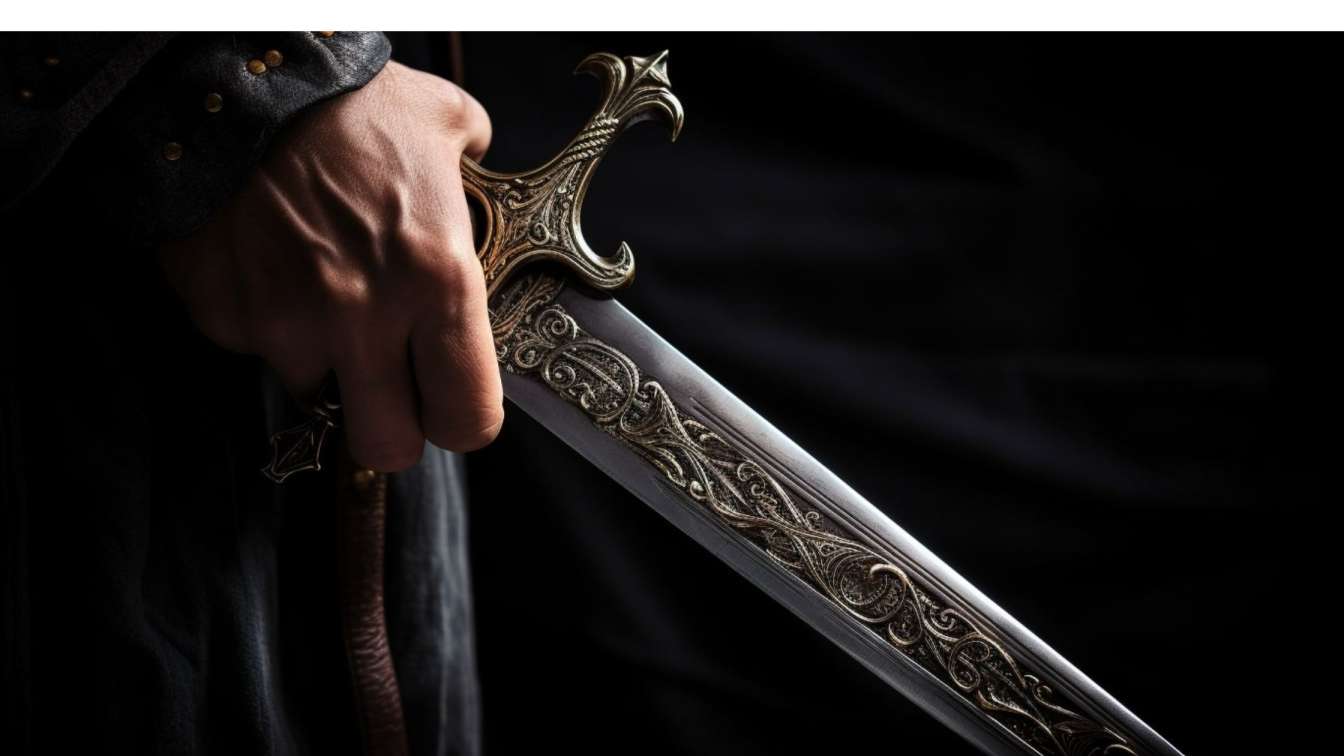
Swords defined glory. A knight gripped his arming sword, balanced for shield work, its edge honed to split links in mail. In the thick of it, he'd thrust through visor slits or bash with the pommel. Longswords stretched longer for two hands, ideal after horses fell.
Picture Bannockburn, 1314—Scottish knights danced with blades, unhorsing English foes. What weapons did knights use in battle? These versatile cutters. Common medieval weapons for elites, they symbolized rank. But reality check: A bent blade mid-fight meant doom; smiths quenched steel carefully to avoid snaps. Farmers aped them with falchions, curved for chops. Swords demanded practice—fence too wild, and you'd tire first.
Key Takeaway: Swords blended art and slaughter, crowning knights in melee mayhem.
Read Also: General Knowledge Facts Every Candidate Should Know
Axes and Polearms: Farmers' Fury in Medieval Battle Weapons
Axes turned shepherds into slayers. A broad-headed axe, haft as tall as a man, hooked a shield then cleaved the arm behind. Dane axes screamed across Viking seas, chopping helms like firewood. Polearms amplified reach—glaives with blades on poles impaled chargers from afar. Medieval battle weapons like these shredded cavalry at Falkirk. Soldiers jabbed in walls, bills yanking riders down. List of weapons used in medieval warfare always stars them; cheap wood and iron for masses. I once hiked a site where axe heads litter soil—reminder of frantic swings. Practical edge: Balance weight forward for power, back for speed.
No knight scoffed; these leveled fields.
Key Takeaway: Axes and polearms gave the lowly leverage, flipping battles with brutal range.
Blunt Force: Maces and War Hammers Among Weapons of the Middle Ages
Maces didn't slice—they pulverized. Flanged heads dented plate armor, driving spikes through joints. A morningstar's chain let it whip around shields, stunning knights senseless. War hammers paired pick-like backs for prying rivets in breastplates. Weapons of the Middle Ages evolved these for late wars, when mail gave way to steel. Medieval army weapons for footmen, swung overhead in infantry pushes. Recall Tours, 732—Frankish hammers bashed Arab cavalry. Grip tight, aim knees or helms; one crack, and foes crumpled. Reality check: Over-swing in mud, and you're axe fodder yourself. Cheap to forge, they armed levies fast. Blunt truth: They ended fights quickest.
Key Takeaway: Maces and hammers crushed the armored elite, proving force beats finesse sometimes.
Archery Power: Bows and Crossbows as Medieval Warfare Weapons
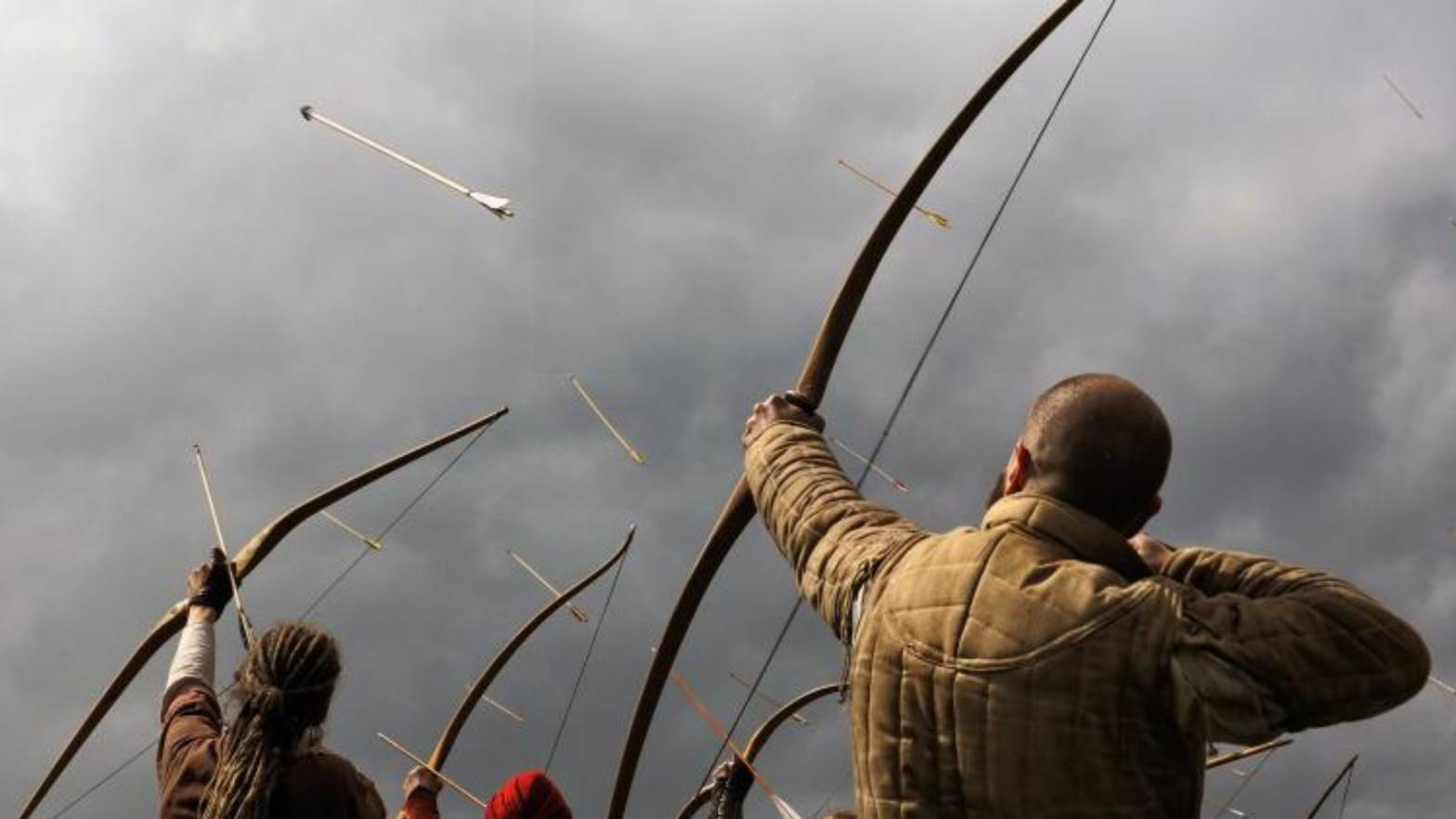
Bows whispered death from hedges. Longbows, yew hearts flexed by burly yeomen, drove bodkin arrows through mail at 250 yards. Agincourt, 1415: English volleys turned French knights to pin cushions. Crossbows simplified it—cock the prod, loose a quarrel. They punched plate, no elite training needed. Most common weapons in medieval times for ranged work. Medieval weapons used by soldiers favored them for sieges. Mercenaries cranked under pavise shields, picking sentries. Tip: Fletch arrows straight; wobble means misses. Drawback? Rain warped wood.
Archers won wars before blades met.
Key Takeaway: Bows and crossbows ruled distance, raining havoc on approaching doom.
Siege Beasts: Engines in Weapons Used in Castle Sieges
Sieges starved souls, but engines hurried ends. Trebuchets, swaying giants, lobbed boulders to pulverize battlements. Counterweights dropped, arms whipped—crash. Battering rams thudded gates, crews chanting rhythms under wet hides. Siege towers lumbered close, disgorging men over walls. Weapons used in castle sieges in medieval times like these dragged months into days. Third Crusade: Richard's mangonels breached Acre. What weapons were used before guns were invented? These math marvels. Sappers tunneled below, propping with wood then firing—castle swallowed whole.
Pro tip: Moats? Fill with fascines first.
They broke worlds.
-
Trebuchet stones weighed up to 300 pounds.
-
Towers matched wall heights, often 60 feet.
Key Takeaway: Siege engines turned stone strongholds to rubble, mastering patience with physics.
You May Also Like: What A Brief History of the Criminalization of Mental Illness Download?
Defenses and Daggers: Full Kit of Medieval Military Equipment
Armor wove survival. Mail hauberks rippled like silver fish, turning edges. Plate harnesses locked knights safe, visors slamming shut. Shields—kite for horse, heater for foot—rammed foes while blocking. Daggers finished writhing enemies, misericordes slipping between plates.
Medieval military equipment paired with blades; no lone sword won. Knights layered padded aketons first. What weapons were used in the Middle Ages in Europe? This holistic loadout. Reality check at Visby graves: Unarmored rushed to slaughter. Balance gear—too heavy, you sink in bogs. Shields bashed faces too.
Key Takeaway: Armor, shields, and daggers completed the warrior, turning vulnerabilities to strengths.
Legacy: How Medieval Weapons Shaped History
Medieval weapons faded with powder, but echoes linger. Early spears from Rome morphed to rapiers. Crusades swapped Damascus steel tricks. Knights weapons list shrank as pikes democratized fights. Medieval weapons and their uses explained eras: Feudal charges to infantry revolutions.
Most common weapons in medieval times armed the world till muskets. Practical lesson: Adapt or die—axes beat swords on foot. From mud fields to museums, they whisper of blood and cunning.
Key Takeaway: These tools built and broke realms, teaching timeless tactics.
FAQs
How did knights wield swords in battle?
They swung one-handed with a shield for blocks, or two-handed for thrusts through armor gaps. Training drilled parries and pommel bashes to crack helms.
Why were polearms so common for soldiers?
Reach kept cavalry away, cheap to make from farm tools, and deadly in formations—letting peasants drop knights without fancy gear.
What made crossbows game-changers in wars?
Easy to aim and reload with cranks, piercing plate armor at range—no years of bow practice needed for hired shots.
How did sieges use trebuchets effectively?
Loaded with huge stones or fire pots, counterweights flung them over walls to crush towers and panic defenders inside.