

Hey, picture this: it's Sunday night, and you just realized three big exams hit Tuesday through Friday. Heart sinks, right? I've lived that panic more times than I care to count, back in school when schedules clashed hard. But here's the truth—you don't need superpowers or endless hours. Smart moves make it doable. This isn't theory; it's battle-tested stuff that pulled me through. We'll map a plan, grab tools, study actively, practice like pros, fuel your body, and wrap strong. Stick close, and that overwhelming stack turns into wins. No magic, just method. Ready to know how to prepare for multiple exams in one week?
Make a Smart Study Plan First
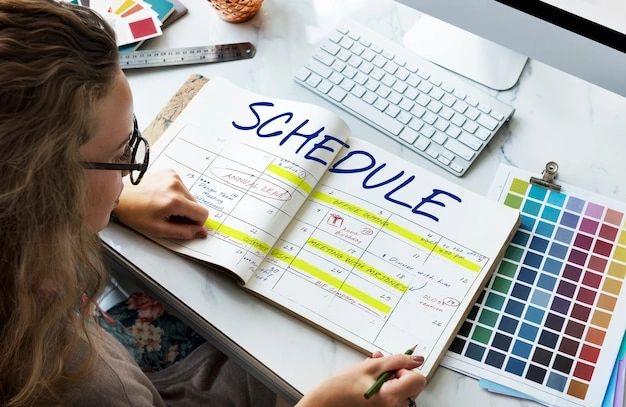
Kick off with a blank page—pen and paper beat screens for this. Jot every exam: subject, date, start time, end time, and main topics. Say Exam 1: Biology, Wednesday 9 AM, covers cells and genetics. Exam 2: History, Thursday 2 PM, revolutions and leaders. Do all four or five. Now rank them. Which scares you most? Biology if diagrams confuse you? Put it top.
Slice the week like pie. Seven days, but don't fill every minute. Aim 6 hours daily max, split mornings and evenings. Mornings shine for tough stuff—your brain's fresh after sleep. Try 8-10 AM: deep dive into priority subject. Break for lunch, walk. 4-6 PM: lighter review or second subject. Evenings: 7-8 PM quick quizzes. Use a kitchen timer: 45 minutes work, 10 off. Stand up, stretch, grab water.
Here's where it gets real. Allocate percentages. Weak subjects get 60% time—drill those holes. Strengths? 30% to lock in. Practice tests: 10%. For four exams, dedicate days loosely: Day 1 heavy Biology, but sneak 20 minutes History preview. Day 2 flips. Cross off daily wins. Life happen? A family thing cuts time? Shift blocks, don't quit.
I remember one week with math, physics, and English. Planned like this, hit 90% across board. No plan? I'd flail, waste hours deciding what next. Adjust nightly: too slow on genetics? Steal time from easy History. Include basics—sleep 8 hours, three meals, 20-minute daily walk. This blueprint fights chaos, turns "impossible" into "I've got this."
Read: Unlock Your Potential: Best Studying Tips Revealed 2025
Gather Your Study Materials Quickly
Day one, no studying yet—hunt supplies. Raid desk, backpack, locker. Textbooks, class notes, handouts, old quizzes. For each exam, make a stack. Biology: chapters 5-8, cell diagrams. History: timeline sheets, key event notes. Missing stuff? Borrow from a classmate quick, copy essentials.
Craft cheat sheets now. One page per exam, front and back max. Big print, colors pop: yellow highlights for processes, like photosynthesis steps. Red underlines formulas. Green boxes examples. Keep simple—no tiny font. These are gold for reviews.
Past papers? Essential. Ask teacher for extras or recall last year's. Make your own: list 20 likely questions per subject. Phone notes for flashcards if handwriting's messy—question front, answer back.
Test run: sit 15 minutes with pile, flip through. Gaps show—like no genetics practice problems? Fix today. Organize by exam day: earliest front. Use folders or binders, labeled clear.
Flashback: my worst week, notes scattered everywhere. Wasted hour searching. Now, I prep materials first—frees mind for real work. Rewrite illegible scribbles fresh. Scan for patterns, like repeated teacher emphasis. Ready materials mean zero excuses, pure study flow.
Master Active Study Techniques
Ditch highlighting books—that's fake work. Active means engage hard. Summarize first: read paragraph on mitosis, shut book, rewrite from memory. Miss details? Reread, rewrite better. Do per section, builds recall muscle.
Teach aloud next. Stand, face mirror, explain like to a five-year-old. "Cells divide because..." Stutter? Weak spot alert—note it. Rotate subjects smooth: 40 minutes Biology teach-out, switch History storytell events as adventure tale.
Mnemonics magic for lists. History kings? "Fatty Henry Loves Silly Queens" for sequence. Science terms? Silly sentences stick. Flashcards daily: 50 per subject, spaced—review yesterday's misses first.
Problems? Solve timed sets. Math equations, essay outlines—10 each, grade self. Errors? Dissect: calculation slip or concept flaw? Redo thrice.
Mix modes fight fatigue. Visuals for diagrams—draw, label. Audio for lists—record, replay walking. I switched passive to this mid-week once; scores jumped 20%. For multiples, chain: Biology energy links Chemistry reactions. Engaging, not endless read. Retention soars.
Practice with Mock Exams Daily
Mocks mimic war—best prep ever. Afternoon slot: full timed paper per main subject. Biology? Two hours, no breaks first. Desk clear, clock ticking. Pick questions wisely: tough ones from weak areas. Grade honest—below 70%, analyze. "Skipped diagram label why?" Drill that. Cycle across exams. Day 3: History full mock. Day 4: Physics half plus History quiz. Track scores table-style:
| Day | Subject | Mock Score | Weak Spots Fixed |
|---|---|---|---|
| 1 | Biology | 72% | Cell stages |
| 2 | History | 65% | Dates |
| 3 | Math | 81% | Equations |
| 4 | Physics | 78% | Forces |
Patterns emerge—time pressure? Practice faster. Build endurance: back-to-back mocks day 6.
My story: ignored mocks once, blanked on format. Now daily ritual. Builds speed, spots tricks like double-negatives. Exam day? Familiar friend.
Take Care of Your Body and Mind

Brain's engine needs fuel—ignore, it stalls. Sleep king: 7-9 hours. Bed by 10 PM, up 6 AM. No phone glow—blue light tricks tired. Food smart: breakfast oats with nuts, brain steady. Lunch protein like eggs, veggies. Snacks fruit, cheese—no chips crash. Water bottle always, sip hourly.
Move mandatory. Hourly 3-minute march room-to-room. Midday 30-minute brisk walk, fresh air hits reset. Yoga poses if stiff—child's pose calms. Mind tricks: stress spikes? Box breathe: 4 in, 4 hold, 4 out. Journal fears: "Worst case? Retake possible." Flip to "Prep solid." Rewards: post-block treat, funny video 10 minutes. For multiples, theme breaks—music Monday, game Tuesday. Connected quick with family, no deep dives. Burnout real—I crashed once, slept 14 hours, lost day. Balance now rule. Healthy you studies twice as good.
Review Smart on Exam Eve
- Shift gears days 5-7: review only. No new. Morning scan: cheat sheets, flashcards 20 minutes each subject.
- Link overlaps: Math graphs aid Physics plots? Joint review. Weak journal flip: redo errors.
- Pack night prior: pens sharp, ID front, snack approved. Visualize: enter room calm, questions clear, answers flow.
- Light breakfast, 10-minute porch review max. How To Prepare For Multiple Exams In ONE Week.
- Locked in, rested—peak performance.
Use These Time-Saving Hacks
-
Pomodoro twist: 25 on, 5 off, log one win—momentum snowballs.
-
Chain subjects: End block with bridge questions—seamless shifts.
-
Audio walks: Record summaries, listen multitasking.
-
Error log: Mistakes page, daily check—gaps gone.
-
Buddy ping: Text fact nightly—reinforces light.
You May Also Like: Examination Result Improvement Tips
Frequently Asked Questions
What exactly should I put on my cheat sheets, and how do I make them effective?
List only essentials: 5-10 key formulas, diagrams, dates, or definitions per page. Use colors and big print. How: Spend 20 minutes per subject rewriting from notes—test by covering and recalling. Keeps them quick-scan tools, not novels.
What if I run out of time on mocks, and how do I fix it?
What: Prioritize easy points first, flag and skip killers. How: Practice with 10% less time daily, then full. Review pacing post-mock—build speed by timing sections separately. Turns pressure into strength.
What breaks work best during study blocks, and how long?
What: Quick walks, stretches, or water breaks—nothing screen-based. How: 5-10 minutes every 45 study minutes. Set timer, move body. Refreshes focus without derailing flow.