

You ever hear something and it just stays with you? Like you cannot shake it. It sits there in your head. You think about it days later. That is what these speeches do.
America has some of those. Speeches that people still repeat. Speeches that made people do things. Good things. Hard things. Things they would not have done otherwise.
Let me tell you about famous speeches in american history.
Lincoln and That Short Speech
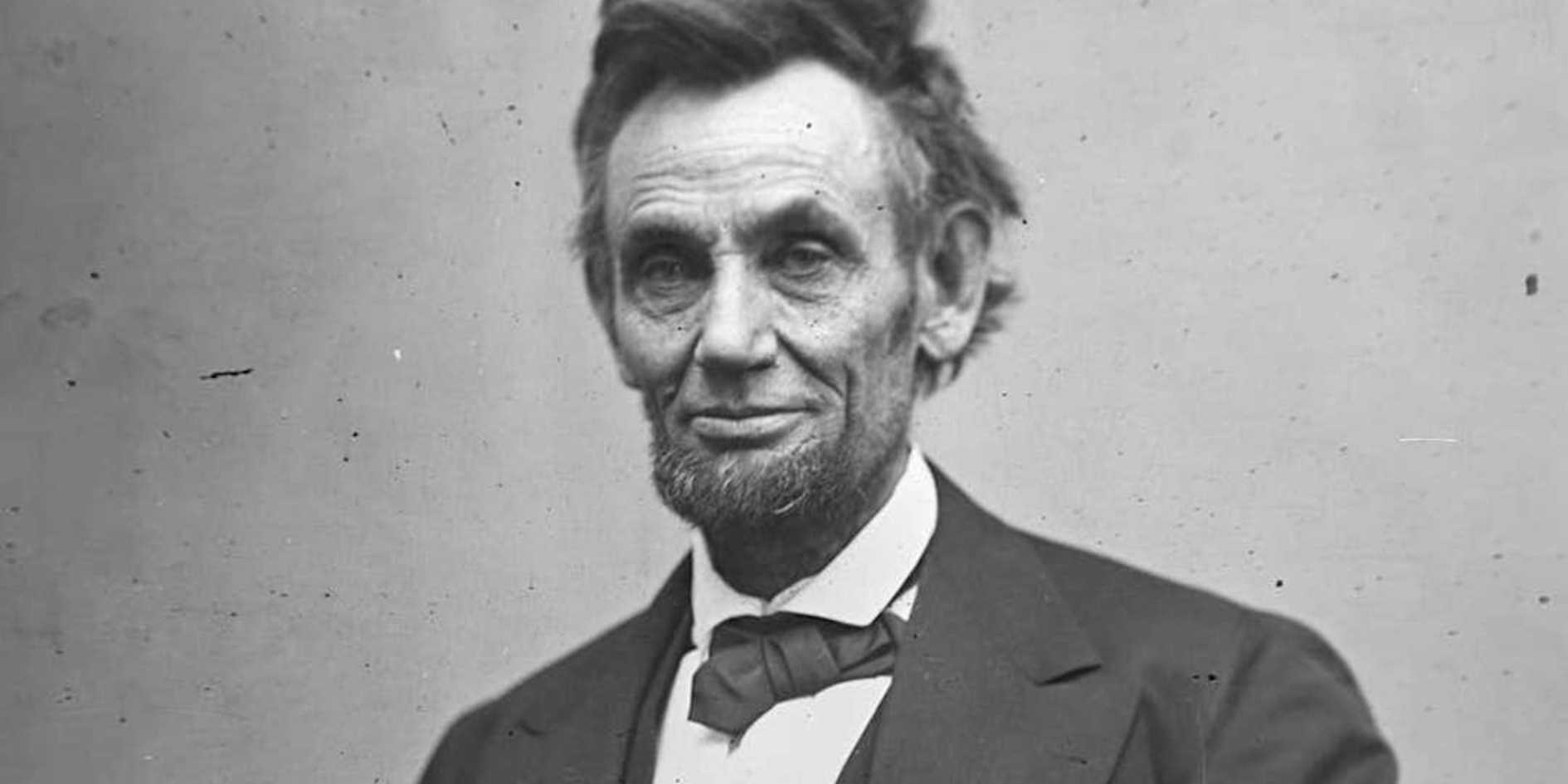
So Lincoln goes to this battlefield. 1863. Pennsylvania. They are burying soldiers. A lot of soldiers. Thousands.
They ask him to speak. Just a few words. That is all they want. He gets up there. He talks for maybe two minutes. Not long at all.
But what he says. He says the war is not just about the North beating the South. It is about whether a country like this can even work. A country that says all people are equal. He says if we lose, that idea loses. And he says the men buried there gave their lives for that idea. So we have to finish what they started.
"You have to finish what they started." That is the point.
He ends with this line. "Government of the people, by the people, for the people, shall not perish from the earth."
That is a lot for a two minute speech. But he did it. He packed it all in there. Not a wasted word. Not one.
Read Also: What is the Difference Between Public and Private Schools?
King and the Dream
Martin Luther King gets up in 1963. Washington D.C. Big crowd. Huge.
He is there to talk about civil rights. About Black people still being treated wrong. About freedom not really meaning freedom for everybody.
He starts talking about what he sees. What he hopes for. He says he has a dream. He says it over and over. I have a dream. I have a dream. And then he tells you what that dream is.
He sees kids playing together. Black kids. White kids. He sees people not judging each other by the color of their skin. He sees people being judged by who they are. What they do. How they act.
You can picture it. That is why it works.
The crowd goes wild. They are crying. They are cheering. They are holding onto each other. This speech gives them something. It gives them hope. It gives them a picture of tomorrow that does not look like today.
Kennedy and the News
Robert Kennedy is in Indiana. 1968. He is running for president. He gets to a rally. He steps out of the car.
Someone tells him Martin Luther King was shot. King is dead.
Kennedy gets up on this truck. A flatbed truck. He has to tell the crowd. They are mostly Black. They are already on edge. This is going to set them off.
He tells them. You can hear the gasps. The crying. The yelling.
But Kennedy does not give them a speech about politics. He does not try to make them feel better with empty words. He talks about his brother. John was killed five years earlier. Kennedy says he knows what it feels like. He knows the anger. He knows the hate.
He says do not give in to it.
He says we need to love each other. We need to understand each other. We need to stop hurting each other.
He ends with something from an old poem. He says pain drops on your heart little by little. And against what you want, you get wisdom. You get it through hard times.
It was a risky thing to say. He was a white man. A rich man. Telling a Black crowd to be calm after their leader was murdered. But they listened. They went home. Other cities burned that night. Indianapolis did not.
What They All Do?
These speeches do not all say the same thing. They are about different stuff. Different times. Different problems.
But they do the same thing. They connect. They speak to what people feel inside. People feel scared. They feel angry. They feel lost. The speeches meet them there.
They also do not try to be fancy. Lincoln did not use big words. King did not talk like a professor. Kennedy did not sound like he was reading from a book. They sounded like people. People talking to other people.
That matters. If you sound like you are above people, they will not listen. If you sound like you are with them, they will.
Douglass and the Question
Frederick Douglass was born a slave. He got free. He taught himself to read. He became a speaker. A writer. A leader.
They asked him to speak on July 5th. 1852. The day after the Fourth of July. They thought he would celebrate. They thought he would talk about America's greatness.
He did not.
He started by saying nice things about the country. Then he turned. He said the Fourth of July meant nothing to Black people. He said it was a lie. You cannot celebrate freedom when you have slaves. You cannot talk about liberty when people are in chains.
He asked a question that cut deep. What does the Fourth of July mean to the slave?
He talked about the pain. The beatings. The families torn apart. The children sold away from their mothers.
People got mad. They did not want to hear it. But he said it anyway.
Truth and the Question
Sojourner Truth was born a slave too. She spoke at a women's rights meeting. 1851.
The men there said women were weak. They needed men to take care of them. They could not handle things on their own.
Truth stood up. She said she had worked in the fields. She had carried heavy loads. She had given birth and watched her children sold away. Nobody took care of her. Nobody protected her.
She said, "And ain't I a woman?"
That question. It made people stop. If she could do all that, she was not weak. If she was a woman, she deserved the same rights as any woman. She did not need fancy words. She just told the truth about her life.
You May Also Like: What is the Difference Between Public and Private Schools?
Eisenhower and the Warning
Eisenhower was a general before he was president. He knew war. He knew what it did.
When he left office in 1961, he gave a speech. He warned the country about something. He called it the military-industrial complex.
That sounds complicated. But it is not. It means the military wants weapons. Companies make weapons. They make money off weapons. So they push for more military spending. They push for more war.
Eisenhower said that could become a problem. It could push the country into wars it did not need. It could give too much power to a few people.
People still talk about that speech. They still worry about what he warned about.
Johnson and the Vote
Lyndon Johnson gave a speech in 1965. He was president.
Black people in the South could not vote. They had to pass tests. The tests were impossible. They got threatened. Some got killed.
Johnson went to Congress. He said everyone should be able to vote. That is all. He did not make it complicated. He said this was what America was supposed to be about.
The speech helped pass the Voting Rights Act. That law made a big difference.
Obama and the Speech That Made Him Known
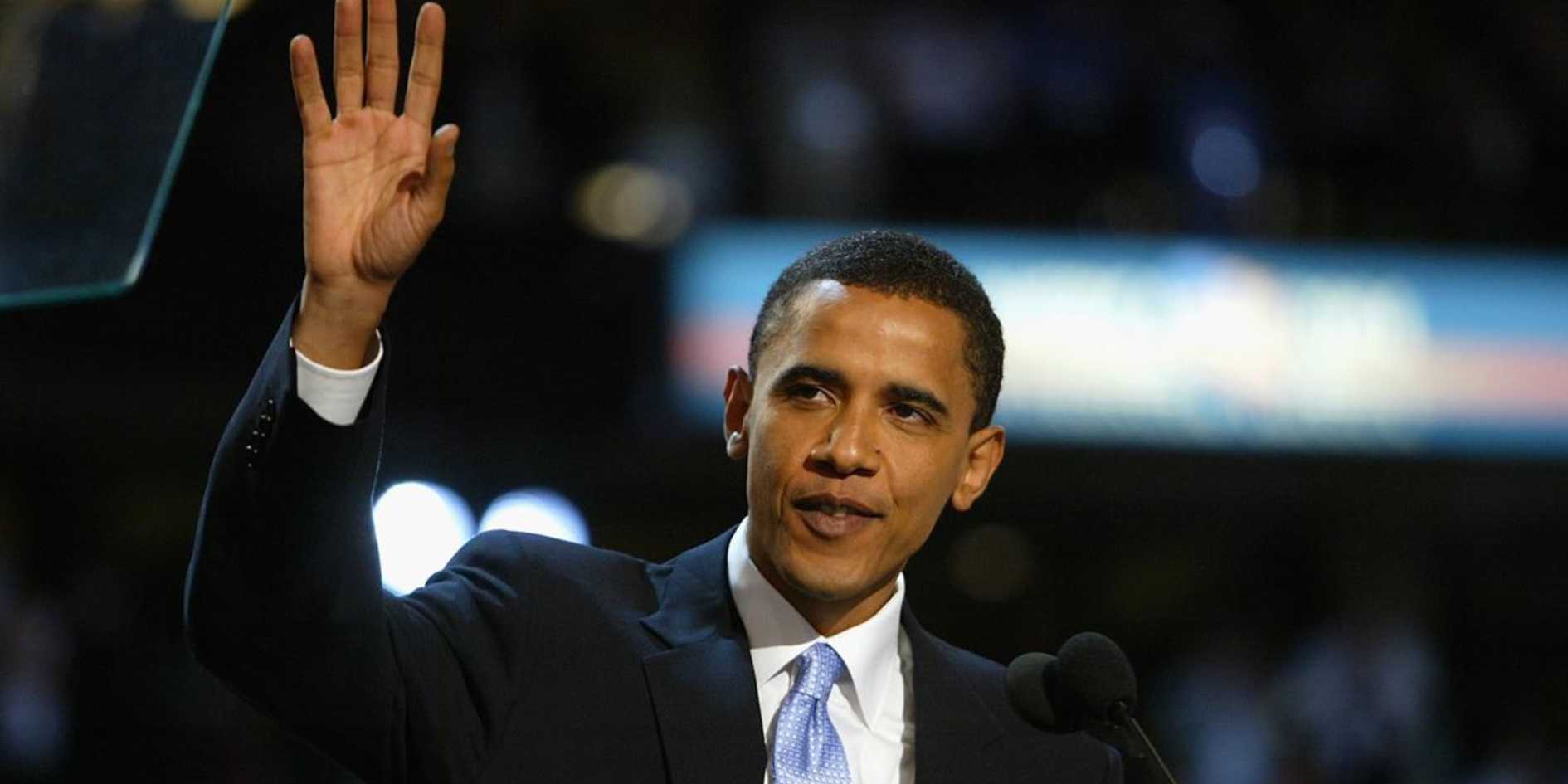
Obama gave a speech in 2004. He was a state senator. Not famous.
He spoke at the Democratic convention. They gave him a little spot. Not prime time.
But he got up there and started talking about his life. His father was from Kenya. His mother was from Kansas. He said his story could only happen in America.
He said America was not divided. Not really. Not red states and blue states. Not Democrats and Republicans. He said there were just Americans. We are one country. One people.
That speech made him a star. People saw something in him. They saw a future.
Why We Still Care?
- These speeches are old. Some are really old. 1852. 1863. That is a long time ago.
- But people still read them. Still study them. Still talk about them. Why?
- Because they matter. They are not just history. They are not locked in the past. They speak to today. They speak to now.
- Lincoln talked about whether a country built on freedom can survive. We still ask that question.
- King talked about people being judged by the content of their character. We still want that.
- Kennedy talked about not giving in to hate. We still need to hear that.
- These speeches are alive. They are still working on us.
What You Can Do?
You can find these speeches. They are online. They are in libraries. You can read them yourself. You can hear recordings of some of them. King's speech. Kennedy's speech. You can hear their famous speeches in american history. You can listen. You can think about what they say.
You can ask yourself what you would say. What would you tell people? What would you ask them to do? What would you want them to remember?