

Building a new habit works when you start smaller than you think you need to. Research on behavior change shows that focusing on one simple, attainable action at a time is more effective than attempting a complete life overhaul overnight. The goal is not to transform yourself by Friday. The goal is to repeat a small action enough times that it becomes automatic.
This guide covers exactly what to do, what to avoid, and how to keep going when progress feels invisible.
Why Small Habits Beat Big Plans?
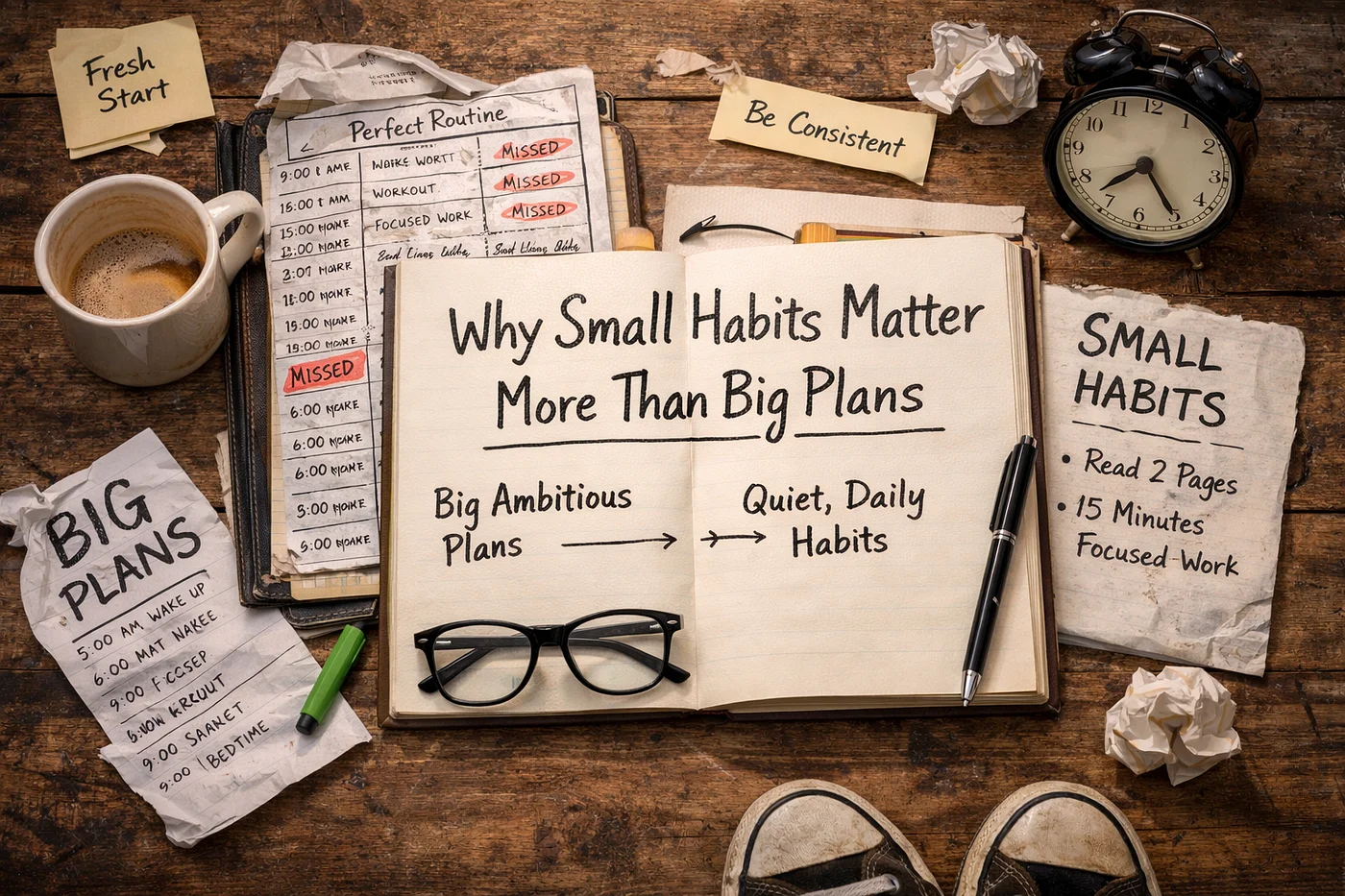
Most people fail at self improvement because they aim too high too fast.
A person decides to "get healthy." They plan to wake at 5 AM, run five miles, meal prep every Sunday, and meditate for thirty minutes daily. By day four, they are exhausted, sore, and convinced they lack discipline. The problem was never discipline. The problem was the plan.
Your brain forms new pathways through repetition. Each time you repeat a behavior, the neural connection gets slightly stronger. But if the behavior is too demanding, you skip it. When you skip it, the pathway weakens. When you repeat it, the pathway strengthens. This is why a ten-minute walk done daily beats a two-hour workout done once.
The fix is simple: pick one action so small it feels almost silly. Meditate for one minute. Read two pages. Walk to the end of your street. The action needs to be easy enough that you cannot reasonably talk yourself out of it.
Once that action becomes automatic, you build on it. But not before. Trying to stack multiple new behaviors at once is one of the most common reasons beginners quit.
How to Pick Your First Habit
Not all habits are equal for every person. The right first habit depends on what you want and what you can realistically sustain.
Start with your goal, then work backward. If you want to feel less stressed, the habit might be a five-minute breathing exercise after work. If you want to read more, the habit might be keeping a book on your pillow so you see it before bed. The habit must connect directly to the outcome you want.
Choose something you control. "Have fewer stressful life events" is not a habit. It is a wish. "Practice a two-minute breathing exercise when I feel overwhelmed" is a habit. Focus on actions that sit within your power regardless of what happens around you.
Make it specific. "Eat better" is vague. "Add a serving of vegetables to dinner on Monday, Wednesday, and Friday" is specific. The more precise your plan, the easier it is to follow. You should be able to describe the action as if writing instructions for someone else.
A useful test: can you do this habit on your worst day? If your worst day involves barely getting out of bed and eating cereal for dinner, can you still do it? If the answer is no, the habit is too big.
You May Also Like: How To Stay Motivated Without Burnout
The Habit Stacking Method
The easiest way to remember a new habit is to attach it to an old one.
This technique is called habit stacking. You take something you already do without thinking, and you pair the new behavior with it. The existing habit becomes the reminder.
Examples of habit stacking:
-
After you pour your morning coffee, you write one sentence in a journal.
-
After you brush your teeth at night, you read one page of a book.
-
After you sit down at your desk, you take three deep breaths.
-
After you park your car at home, you walk around the block once.
The old habit acts as a trigger. Your brain already runs the sequence for pouring coffee or brushing teeth. You are simply adding one small step to the end of that sequence.
This works because you are not relying on memory or motivation. You are relying on a routine that already exists.
What to Do When You Miss a Day?
You will miss a day. Everyone does.
The mistake is treating a missed day as a failure. A missed day is not a failure. It is a detour.
What matters is what happens next. If you miss Monday, the goal is to do the habit on Tuesday. If you miss a week, the goal is to do it on the next available day. The habit is not broken unless you decide it is broken.
Some people find it helpful to use "if-then" plans. For example: "If I miss my morning walk, then I will take a ten-minute walk after dinner." This gives you a backup plan before you need one.
The other trap to avoid is rationalizing a break. If you think, "I did so well yesterday, I can skip today," you are letting past effort excuse present inaction. Each day stands on its own. Yesterday's success does not earn you a day off today. This is how habits fall apart.
You May Also Like: How To Stop Overthinking At Night Naturally
Why You Should Track Your Progress?
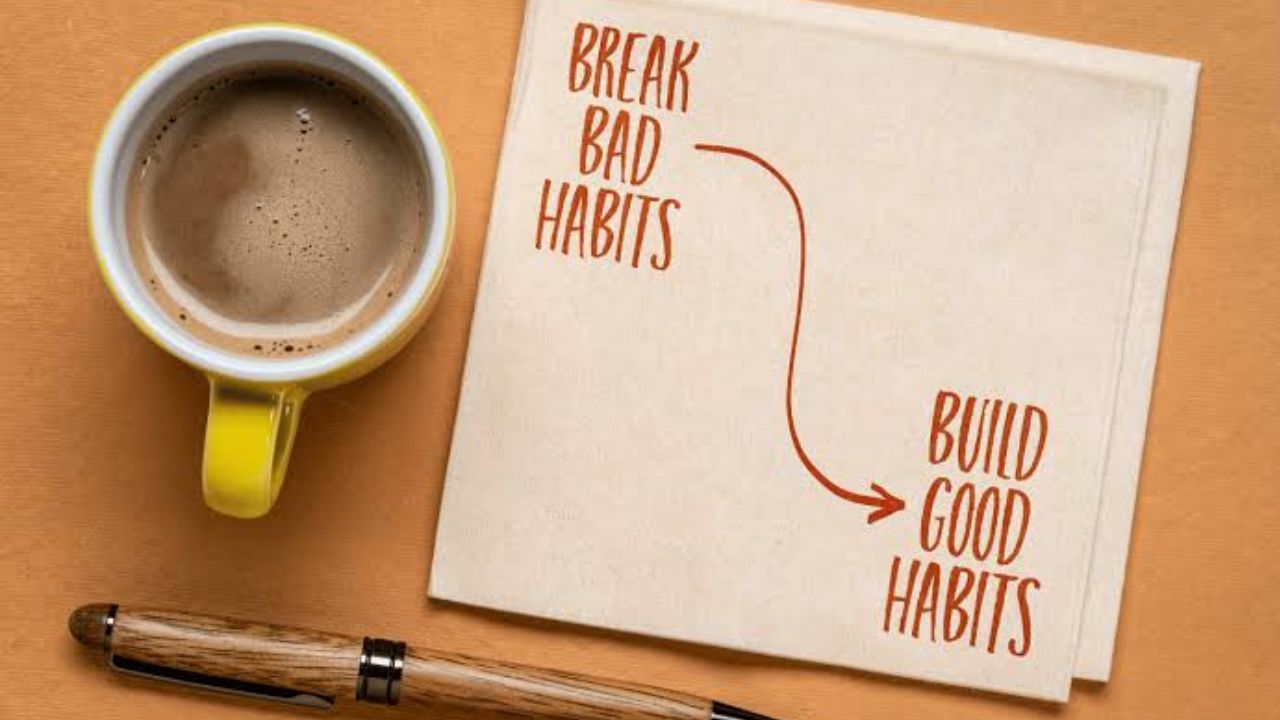
Tracking turns invisible progress into something you can see.
When you start a new habit, results feel slow. You do not feel less stressed after one breathing exercise. You do not feel fitter after one walk. The brain interprets this lack of visible change as evidence that nothing is happening.
A simple tracker fixes this. It can be a calendar with an X drawn on each day you complete the habit. It can be a note on your phone. It can be a tally mark on a piece of paper.
The tracker does two things. First, it gives you proof that you are showing up. Second, it creates a small pull to keep the streak going. You do not want to break the chain.
Keep it simple. A complicated tracking system becomes its own chore. One X per day is enough.
Common Mistakes Beginners Make
Trying to build multiple habits at once. Your brain cannot handle several new patterns simultaneously. Build one until it feels automatic, then add the next.
Waiting for the perfect time. The perfect time does not exist. Start with what you have, where you are, today.
Relying on motivation. Motivation fades. By Monday afternoon, it may be gone. Systems and routines keep you going when motivation disappears.
Comparing your day one to someone else's year five. You do not know how long they struggled before it looked easy. Compare yourself to who you were yesterday, not to a stranger on the internet.
Making the habit too big. A twenty-minute meditation is not a beginner habit. A one-minute meditation is. You can always scale up later. You cannot scale down from quitting.
A Simple Starter Plan
If you want to begin today, here is the simplest version:
-
Pick one action. Choose something that takes under five minutes.
-
Attach it to something you already do. Coffee, teeth brushing, sitting down at your desk.
-
Do it once. Just once. Not for a week. Not forever. Once.
-
Mark it on a calendar. One X.
-
Repeat tomorrow. That is the whole plan.
Do not add a second habit until the first one feels boring. Boring means it is becoming automatic. That is the goal.
Self improvement is not a dramatic transformation. It is a series of small decisions repeated until they stop feeling like decisions. Start smaller than you think you need to. Do it consistently. Let time do the rest.