

Exams sneak up like that friend who forgets to text back, but trust me, I've learned the hard way how time management flips the script. Picture this: me in high school, buried under biology notes at midnight, eyes crossing, nothing sticking. Then I cracked it—simple tweaks turned panic into pride. These time management tips for exam preparation come straight from those trenches, mixed with what worked for buddies who crushed boards too. We're talking building an effective study schedule that actually fits your weird sleep patterns, dodging distractions like a pro gamer, and weaving in productive study habits that make knowledge glue to your brain. No fluff, just stuff that lands you top scores without the meltdown. Ready to grab control? Let's roll.
Create Your Effective Study Schedule
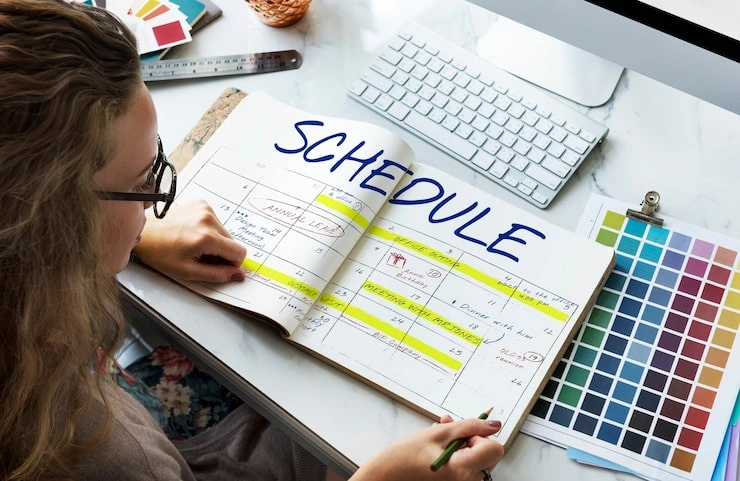
Ever stared at a blank calendar feeling doomed? I did, until I grabbed a beat-up notebook and started backward planning. First, pin your exam dates—say finals in three weeks. Tally subjects: math killing you? Block two hours daily, right after breakfast when your brain's buzzing. Science lighter? One hour suffices. History? Alternate days to keep it fresh.
Mix short bursts—45 minutes study, 10-minute wander. Why? Science backs it; focus dips after 50. Sundays? Quick huddle: what crushed last week, what slid? Shift slots like Tetris pieces. I once swapped evenings for mornings after realizing I'm no night owl—scores jumped 15%. Don't ghost basics: seven hours sleep minimum, or you're toast. Meals on time—brain needs glucose. My fail? Skipping lunch for "one more chapter," ending up foggy. An effective study schedule hugs your rhythm, not some rigid grid. Play with it two days; it'll click. Real talk: life's curveballs happen. Friend's birthday? Slot it as reward post-study. This flexibility kept me sane during mocks. Track a week, celebrate small wins—like finishing that dreaded chapter. Boom, momentum.
Key Takeaway: Your schedule's a living thing—mold it to you for effortless wins.
Read Also: Your Complete Guide to the Combined Graduate Level Examination
Set Smart Goals for Exam Preparation
Vague plans? Recipe for "I'll do it tomorrow" doom loop. I broke free with SMART goals—Specific, Measurable, doable, relevant, timed. Ditch "study history." Say "summarize chapter 5, 10 key dates, by 4 p.m." Check—done. Feels like leveling up. Chunk monsters: full textbook? Three sections daily—read, quiz, notes. Nightly audit: nailed three goals? High-five mirror. Bombed one? Morning redo, no drama. During my boards, this rescued history from forgettable mush.
Prioritize like a boss. Past papers scream patterns—80% repeats? Hammer those. Weak math? Double practice slots. Tools? Sticky notes on walls, color-coded. Red for urgent, green for review. Anxiety spikes? Goals shrink it—clear path ahead. I shared mine with a study pal; accountability doubled output. Tweak weekly; what lit you up? More of that.
- Exam preparation thrives on this clarity. No more wandering—straight to scores.
- Key Takeaway: SMART goals turn "someday" into "today's trophy."
Beat Distractions and Build Productive Study Habits
Distractions? Sneaky thieves. Phone dings, TikTok rabbit hole—hour vanished. My fix: "study cave"—desk corner, door shut, phone in drawer. Grayscale mode on apps? Kills the fun, saves sanity. Pomodoro's my hero: 25 minutes laser-focus, 5 off. Four cycles, longer break. Timer beeps—game on. Built productive study habits like active recall: close book, recite aloud. Wrong? Backtrack. Way stickier than highlighting rainbows.
No multitasking myth. One subject, deep dive. I tried music—derailed me; silence won. Quiz self hourly—flashcards rock for vocab. Environment hacks: natural light, plant nearby for zen. Procrastinate? Two-minute rule—start tiny, inertia pulls you in. Group study? Weekly, quiz-only, no chit-chat. These habits made exam preparation fun, not grind. Distractions fled; focus stayed.
- Key Takeaway: Habits + anti-distraction armor = unstoppable flow.
Here's a quick table to map your distraction busters:
| Distraction Type | Quick Fix | Why It Works |
|---|---|---|
| Phone Notifications | Silent mode + app blocker (1-hour limits) | Cuts impulse checks by 90% |
| Noisy Environment | Noise-cancelling headphones or white noise app | Mimics quiet library vibe |
| Mental Wander | 2-min journal dump before starting | Clears head clutter fast |
| Fatigue | 10-min walk break | Resets focus without crash |
Prioritize Sleep and Self-Care in Your Routine
Ignore sleep, mock your brain. I pulled all-nighters—next day, blank on basics. Now? 7-9 hours locked in. Brain replays lessons overnight, magic. Fuel smart: oats breakfast, nuts snacks—steady energy. Water bottle always; dry brain forgets. My slump? Soda crashes—swapped for herbal tea, steady wins. Move it: 20-minute jog post-study. Endorphins beat stress. Peak times? Chart yours—mine's 8 a.m.-noon. Save fluffy reading for slumps.
- Self-care rituals: 10-minute stretch, gratitude list. "Three things rocked today." Fights overwhelm in exam preparation.
- Balance or bust. Overdo study? Mood tanks, retention flops. Weekly fun hour—game, call pal. Rested you crushes it.
- Key Takeaway: Self-care's your secret weapon for sharp recall.
Use Tools to Track Your Effective Study Schedule
Fancy apps overwhelm; start simple. Paper planner: weekly spread, subjects in blocks. Colors pop—blue math, green English. Digital? Calendar alerts: "Physics ch.3, 2 p.m." To-do apps tick off tasks—dopamine hit.
Here's a starter table for your weekly tracker—print or sketch it:
| Day | Morning Block (Peak Time) | Afternoon Block | Evening Review | Total Hours | Notes/Wins |
|---|---|---|---|---|---|
| Mon | Math: 20 problems | Science notes | History flashcards | 4 | Nailed derivatives! |
| Tue | English essays | Math practice | Science quiz | 4.5 | Essay flowed |
| Wed | History timelines | English reading | Free/flex | 3 | Adjusted for tired |
| Thu | Science experiments | History maps | Math review | 4 | Good energy |
| Fri | Weak spot drill | Light review | Fun reward | 3 | Mock score up |
| Sat | Full mock test | Analyze errors | Rest | 3 | Progress! |
| Sun | Plan next week + light read | Off | Off | 1 | Reset ready |
- Sunday sync: log hits/misses. Group tools? Shared docs for pals. Experiment—paper for me, apps for visual buds.
- Tools make effective study schedule autopilot. Yours waiting.
- Key Takeaway: Trackers turn intentions into ironclad habits.
Practice with Mock Tests and Review Sessions
- Mocks? Dress rehearsal gold. Weekly one, timed. Post-score: dissect errors. "Why'd algebra trip me?" Extra drills there.
- Spaced review: day 1 notes, day 3 quiz, week 1 teach it out. Fights curve of forgetting—I ignored it once, bombed recall.
- Variety: flashcards facts, mind maps concepts, essays arguments. Track scores—mine climbed from 65% to 92%.
- Breaks mid-mock: stretch, breathe. Builds stamina. Group mocks? Friendly rivalry sparks fire.
- This polishes productive study habits razor-sharp for D-day.
- Key Takeaway: Mocks + reviews forge exam-proof skills.
Daily Habits for Long-Term Time Management

- Tiny daily wins stack huge. 30 minutes morning math—snowballs to mastery. Stack with coffee: sip, study, repeat.
- Routine anchor: wake, goals list, dive. Evening: 10-minute recap, no screens—sleep calls.
- Procrastination ninja? "Just five minutes"—tricks brain. Journal wins: "Conquered calculus!" Fuels fire.
- Flex life in: sick day? Light audio notes. These weave time management tips for exam preparation into DNA.
- Long-game? Post-exams, keep lite version—life skill unlocked.
- Key Takeaway: Daily drips fill success buckets.
Common Time Wasters to Avoid (And Fixes)
Social scrolls? Black hole. Limit 20 minutes post-study reward. Perfection chase? "Good enough" ships faster. Yes-man trap: guard blocks. "Study first, chat later." Overkill one topic? Rotate—balance rules. Friends derail? Scheduled calls. Spot these, slash 'em—hours freed for exam preparation.
Key Takeaway: Waste radar saves your golden time.
Quick Wins for Building an Effective Study Schedule
-
Align with body clock: test peak hours, lock 'em (e.g., post-lunch power for some).
-
50/10 bursts: 50 min grind, 10 min move—sustains energy.
-
3-task daily cap: realistic, builds streak pride.
-
Batch themes: readings Mon, drills Tue—flow state magic.
-
Sunday 15-min audit: celebrate, course-correct.
Pick two, watch magic.
Pro Tips for Productive Study Habits
-
Recall ritual: blank page, rewrite from memory—exposes holes.
-
Explain like kid: simplifies, sticks forever.
-
Zone sacred: desk = study only, cues brain.
-
Rewards stack: block done, treat (walk, snack).
-
Pal quizzes: weekly battle weak spots.
Two starters transform prep.
Read: Short Essay on Examination | Importance, Stress & Preparation Tips
Handle Last-Minute Panic with These Tricks
- Panic wave? Pause, deep breaths—five counts in, out. Sort: top three topics, 1-hour each.
- Fuel light: banana, nuts. 20-min power nap if zonked. Visualize: "Calm, crushing it."
- No new stuff—review stars only. I did this pre-boards, walked in zen.
- Post? Debrief wins. Keeps time management clutch.
- Key Takeaway: Tricks tame chaos into calm control.
Balance Study with Downtime
- Burnout lurks. Fun slots mandatory—Friday film? Locked. Hobbies: sketch 20 min, mind clears.
- Social fuel: pal vent sesh weekly. Joy log: "Laughed hard today." Balance check: too study-heavy? Inject play.
- Downtime boosts retention—guilt-free. Exam preparation with joy wins bigger.
Key Takeaway: Play recharges your study engine.
You've got the blueprint from my battle scars—these time management tips for exam preparation deliver. Build that effective study schedule, lock productive study habits, own your exams. Drop your story below—what's your biggest hurdle?
Frequently Asked Questions (FAQs)
1. How do I make an effective study schedule for multiple exams?
Pin dates, rank by tough, block proportionally. Grid days/topics, flex buffers. Weekly tweak.
2. What if time management tips for exam preparation slip?
Micro-start: 10 min. Buddy check-in. No self-beat—restart fresh.
3. Do breaks fit exam preparation?
Essential! 25-min focus cycles max retention, nix fatigue.
4. Ideal study hours with productive study habits?
4-6 quality beats endless. Sleep first, energy-led.
5. Does time management ease exam nerves?
Yes—prep consistency + mock practice = cool under fire.